Asset Tagging Services in Kenya
Professional Asset Tagging, Verification & Fixed Asset Register Services
Keep your business assets properly identified, recorded and accounted for with professional asset tagging services in Kenya.
We provide asset tagging solutions for businesses and institutions that need to identify physical assets, improve asset records, support audits and make physical asset verification easier. Our services can include asset identification, barcode and QR code tagging, on-site tagging, asset data capture, verification and fixed asset register support.
Whether you are tagging office equipment, IT assets, furniture, machinery, vehicles or institutional assets, we help create a clear link between the physical asset and its asset record.
Need an asset tagging project in Kenya? Request a quotation for your organisation.

What is Asset Tagging and Why It Matters
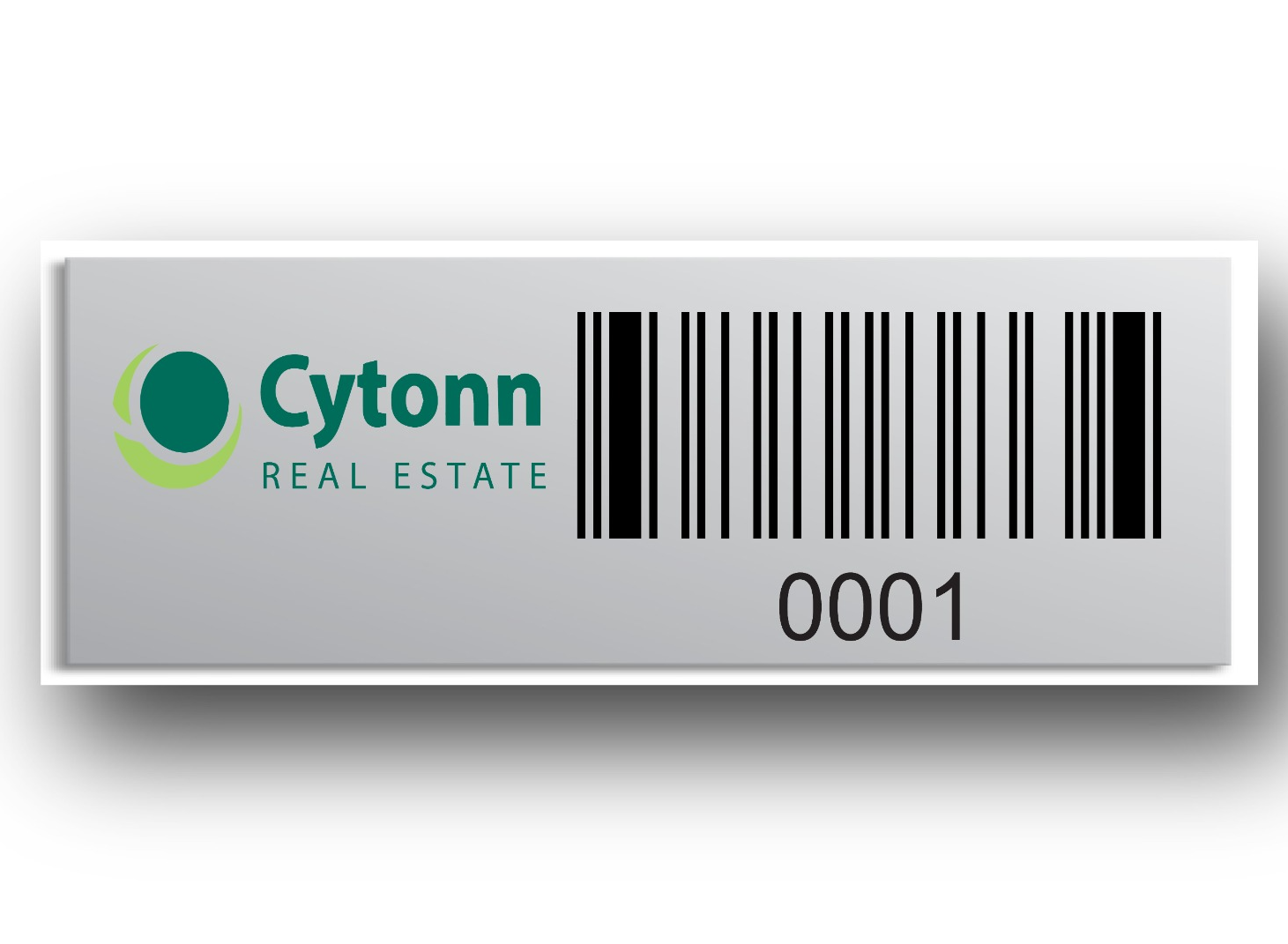
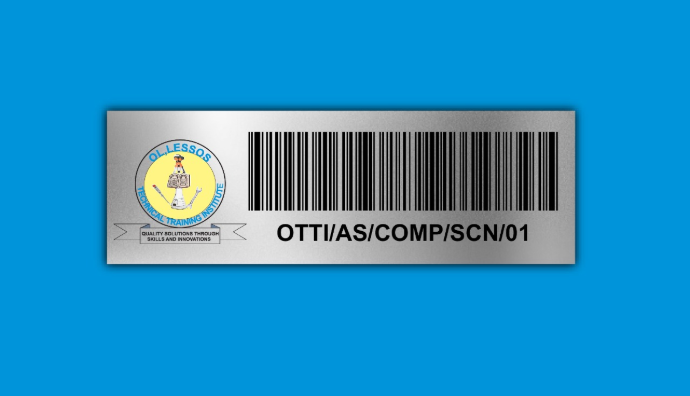
Asset tagging is the process of assigning a unique identification number or code to a physical asset and attaching a durable asset tag to it.
The tag may contain a:
- Unique asset number
- Barcode
- QR code
- Company name or logo
- Department or identification code
- Other information required by your organisation
During an asset tagging exercise, the physical assets can also be verified and their details captured against the corresponding asset numbers.
This creates a reliable connection between your physical assets and asset register, making identification, verification, stock-taking and audits easier.

Our Asset Tagging Services in Kenya
1. Asset Identification
We help identify and organise the assets that need to be included in the tagging exercise.
This can include:
- IT equipment
- Computers and laptops
- Printers and photocopiers
- Office furniture
- Machinery and equipment
- Vehicles
- Generators
- Medical equipment
- School and university equipment
- Warehouse equipment
- Tools and other fixed assets
Each asset can be assigned a unique identification number according to your asset numbering system.
2. Barcode Asset Tagging
Barcode asset tags provide a simple way to identify and scan assets during physical verification and stock-taking.
Barcode tags can be linked to unique asset numbers and incorporated into your existing asset register or asset management process.
They are suitable for organisations that want faster asset identification and reduced manual data entry.
3. QR Code Asset Tagging
QR code asset tags provide a convenient way to identify assets using compatible smartphones or scanning devices.
QR tagging can be useful where organisations want a scannable identification method for:
- Asset verification
- Equipment identification
- Field inspections
- Inventory checks
- Asset tracking
- Maintenance records
4. Physical Asset Tagging
We can provide support with the physical application of asset tags to the relevant assets.
Depending on the asset and its operating environment, different tag materials and fixing methods may be appropriate.
For example, office equipment may require a different tagging solution from machinery, vehicles or outdoor equipment.
5. Asset Verification
Asset verification involves physically checking assets against available records.
A verification exercise can help identify:
- Assets that are physically present
- Missing assets
- Assets in different locations
- Incorrect asset descriptions
- Duplicate records
- Unrecorded assets
- Assets that have moved between departments
- Assets requiring updated information
This can help organisations improve the accuracy of their fixed asset records.
6. Asset Data Capture
An asset tagging exercise can include capturing important information about each asset.
Depending on your requirements, information may include:
- Asset number
- Asset description
- Make
- Model
- Serial number
- Location
- Department
- Custodian
- Condition
- Acquisition information
- Tag number
- Barcode or QR code
The information captured can then be used to update or prepare an asset register.
7. Fixed Asset Register Support
A properly tagged asset should correspond with a reliable asset record.
We can support organisations with the preparation, updating or cleaning of their fixed asset register as part of an asset tagging project.
A structured asset register makes it easier to determine what assets the organisation owns, where they are located and how they are identified.
8. Asset Reconciliation
Where an organisation already has an asset register, physical tagging and verification can be used to compare the records with assets found on the ground.
This can help highlight differences between:
Asset Register → Physical Assets → Tag Numbers → Locations → Custodians
The resulting information can help management identify records that need correction or further investigation.
Why Asset Tagging Is Important
Effective asset tagging gives organisations a practical way to connect physical assets with their records.
Faster Asset Identification
Unique numbers, barcodes and QR codes make it easier to identify assets during inspections and stock-taking.
Better Asset Records
Linking physical assets to their records can help improve the accuracy and consistency of asset information.
Easier Asset Verification
Tagged assets are easier to locate and verify during periodic inspections and audits.
Improved Accountability
Asset identification can help organisations establish which assets are assigned to particular departments, locations or custodians.
Reduced Asset Misplacement
Clear identification makes it easier to recognise organisational property and investigate missing or misplaced assets.
Better Audit Preparation
An organised and physically verified asset register provides a stronger basis for asset-related audits and reporting.
Easier Stock-Taking
Scanning or checking unique asset identifiers can make physical asset counts more structured and efficient.

Asset Tagging for Businesses & Institutions in Kenya
Our asset tagging services can be useful for organisations with significant numbers of physical assets.
Businesses & Corporate Offices
Tag and organise:
- Computers
- Laptops
- Printers
- Office furniture
- IT equipment
- Office equipment
Schools & Universities
Identify and manage:
- Desks and chairs
- Computers
- Laboratory equipment
- Library equipment
- Projectors
- Office equipment
Hospitals & Healthcare Organisations
Asset tagging can help identify:
- Medical equipment
- Computers
- Furniture
- Diagnostic equipment
- Office equipment
- Other institutional assets
Government & Public Institutions
Asset tagging can support the identification, verification and management of physical assets across departments and locations.
NGOs & Development Organisations
Maintain clear identification of project assets, equipment and other organisational property.
Manufacturing & Industrial Businesses
Tag:
- Machinery
- Production equipment
- Tools
- Generators
- Workshop equipment
- Vehicles
Warehousing, Logistics & Distribution
Identify equipment and assets used across warehouses, branches and operational locations.
Asset Tagging & Fixed Asset Registers
Asset tags are most useful when the identification number connects to accurate asset information.
For this reason, asset tagging projects often work together with a fixed asset register.
A well-organised register can help your organisation understand:
- What assets it owns
- Where assets are located
- Which department has an asset
- Who is responsible for an asset
- Asset identification numbers
- Serial numbers
- Asset condition
- Physical verification status
This creates a stronger foundation for ongoing asset management.
Asset Verification Services in Kenya
If your organisation already has an asset register but is unsure whether it accurately reflects the physical assets, an asset verification exercise can help.
Physical verification can identify discrepancies between your records and what is actually present.
This may include identifying:
- Missing assets
- Unrecorded assets
- Duplicate records
- Incorrect locations
- Incorrect custodians
- Assets requiring replacement tags
- Assets that need record updates
Asset verification can be performed as part of a new tagging project or as a separate periodic exercise.
Asset Tagging Services in Nairobi & Across Kenya
We provide asset tagging solutions for organisations in Nairobi and other parts of Kenya, depending on project requirements and location.
Asset tagging projects can be suitable for:
- Single offices
- Multiple branches
- Institutions
- Warehouses
- Factories
- Hospitals
- Schools
- Government facilities
- Multi-site organisations
For projects involving multiple locations, the tagging and verification process can be planned according to the number of assets and sites involved.
How Much Does Asset Tagging Cost in Kenya?
The cost of an asset tagging project depends on several factors, including:
- Number of assets
- Type of asset tags required
- Tag material
- Barcode or QR code requirements
- Number of locations
- Asset data capture requirements
- Physical verification requirements
- Asset register requirements
- On-site tagging requirements
- Project scope
For this reason, asset tagging services are normally quoted according to the specific requirements of each organisation.
Contact us with your estimated number of assets and project locations for a quotation.
Why Choose Professional Asset Tagging Services?
A professional asset tagging exercise goes beyond simply sticking labels onto equipment.
A properly planned project connects:
Asset Identification → Tagging → Data Capture → Verification → Reconciliation → Asset Register
This approach helps organisations build a more useful and reliable asset identification system.
Get Professional Asset Tagging Services in Kenya
Do you need to tag, verify and organise your organisation's physical assets?
We can help you plan an asset tagging project covering asset identification, barcode or QR tagging, physical tagging, verification, data capture and fixed asset register support.
Request an Asset Tagging Quote Today
Send us:
- Approximate number of assets
- Asset types
- Location or locations
- Existing asset register, if available
- Preferred barcode or QR identification
- Any specific reporting requirements
We will help you determine the appropriate scope for your project.
Frequently Asked Questions About Asset Tagging
Asset tagging is the process of assigning unique identification numbers or codes to physical assets and attaching identification tags to them. The tags can use numbers, barcodes or QR codes.
Asset tagging helps organisations identify, verify and manage physical assets while making stock-taking, audits and asset record maintenance easier.
Most physical business and institutional assets can be tagged, including IT equipment, furniture, machinery, vehicles, medical equipment, school equipment and office equipment.
Yes. Barcode asset tags can be used to provide unique identification for physical assets and support barcode-based verification.
Yes. QR code asset tags can be used where QR scanning is preferred for asset identification and verification.
On-site tagging can be included depending on the project scope, asset quantity and location.
Yes. Asset verification can be incorporated into an asset tagging project to check physical assets against existing records.
Fixed asset register support can be included depending on the requirements of the project, including asset data capture, reconciliation and record organisation.
We serve organisations in Nairobi and across Kenya, subject to the scope and location of the project.
Contact us with the approximate number of assets, asset types, locations and the services you require. We can then assess the project requirements and prepare a quotation.
Related Asset Management Solutions
Explore our related solutions:
- Asset Tags in Kenya – General asset identification tags
- Barcode Asset Tags – Barcode-based asset identification
- Aluminium Asset Tags – Durable aluminium asset identification
- Fixed Asset Tags – Fixed asset identification solutions
- Tamper-Proof Asset Tags – Asset tags designed for stronger resistance to removal
- Asset Management Software – Digital asset records and management
- Asset Verification Services – Physical verification and reconciliation